
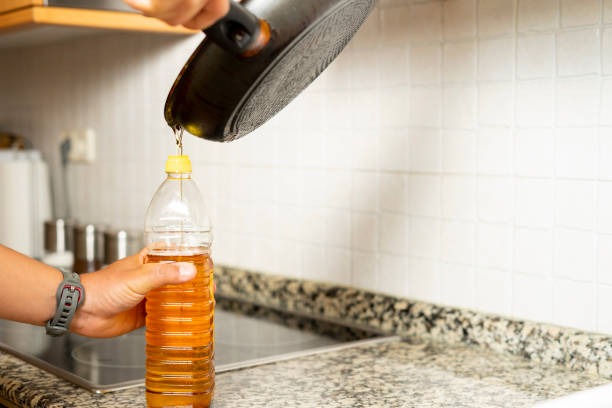
Every meal prepared with oil creates an opportunity to make a positive environmental choice. Instead of throwing used oil away, more people are embracing cooking oil recycling as a simple yet meaningful habit. Proper disposal not only prevents clogged drains but also supports the creation of renewable fuels and industrial products. Storing oil in a dependable used cooking oil container keeps kitchens cleaner while making recycling more convenient. These small daily decisions contribute to a healthier environment and encourage responsible resource management for future generations.
Why Cooking Oil Recycling Is Worth the Effort
Used cooking oil may appear to be waste, but it remains a valuable recyclable resource. Through cooking oil recycling, discarded oil is converted into biodiesel and other environmentally friendly products. Keeping oil inside a sealed used cooking oil container ensures it remains suitable for processing.
This approach also protects household plumbing and municipal sewer systems from grease buildup. Preventing blockages saves maintenance costs while reducing environmental damage caused by improper disposal.
Simple Kitchen Habits That Support Recycling
Responsible disposal begins with simple routines. Always allow cooking oil to cool before pouring it into a used cooking oil container. This improves safety and prevents damage to storage containers.
Avoid mixing cooking oil with food scraps or cleaning chemicals. Clean, uncontaminated oil increases the effectiveness of cooking oil recycling and allows recycling facilities to recover more usable material.
Selecting the Best Used Cooking Oil Container
A high-quality used cooking oil container makes storage safer and more organized. Look for containers made from sturdy materials that resist leaks and can be sealed tightly after every use.
Proper storage also minimizes odors while preventing accidental spills. Whether used occasionally at home or daily in commercial kitchens, the right container simplifies every stage of cooking oil recycling.

Cooking Oil Recycling Habits That Make an Impact
Following practical recycling habits improves both convenience and environmental protection.
- Store cooled oil only in a clean used cooking oil container.
- Seal the container after each use to prevent contamination.
- Keep the container in a cool, dry location until collection.
- Recycle the stored oil through an authorized recycling service.
These simple habits ensure that collected oil remains suitable for future processing and renewable applications.
Supporting a Healthier Environment
Choosing cooking oil recycling helps reduce pollution while conserving valuable resources. Instead of becoming waste, recycled oil supports cleaner manufacturing processes and renewable energy production.
A secure used cooking oil container also helps prevent leaks that could contaminate soil or nearby water sources. Responsible handling protects both local communities and natural ecosystems.
Recycling Solutions for Homes and Restaurants
Both residential kitchens and commercial food businesses can benefit from organized cooking oil recycling practices. Families can easily collect used oil after cooking, while restaurants often establish scheduled recycling programs to manage larger quantities.
Providing a dedicated used cooking oil container for daily use keeps disposal organized and encourages everyone to participate in environmentally responsible practices.
Building Better Recycling Awareness
Education is one of the strongest tools for improving recycling habits. Teaching family members or employees the importance of cooking oil recycling increases participation and reduces improper disposal.
Visible reminders near cooking areas and clearly labeled used cooking oil container stations help reinforce good habits. Over time, responsible recycling becomes a natural part of everyday kitchen routines.
Conclusion
Cooking oil recycling transforms what many consider waste into a valuable resource that supports sustainability and cleaner energy solutions. Using a dependable used cooking oil container simplifies storage, prevents spills, and prepares oil for responsible recycling. Whether at home or in a commercial kitchen, adopting consistent recycling habits protects plumbing, reduces pollution, and supports a greener future. Every recycled drop of cooking oil is another step toward responsible environmental stewardship.