
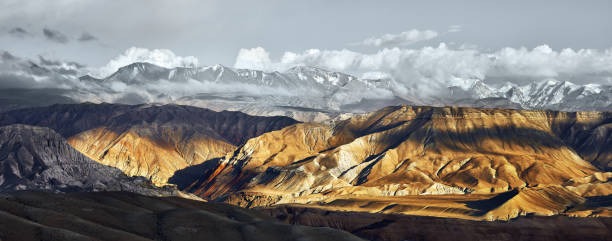
Pick the wrong time of year and a trip to northern Nepal can feel harder than it needs to. The good news is that Mustang behaves differently from the rest of the country. It lies in the rain shadow of the Himalayas, so while the monsoon soaks Kathmandu and Pokhara, the valleys up north stay mostly dry. That gives you more flexibility than almost any other trekking region in Nepal.
Once you have a rough season in mind, deciding between walking and driving is the next step. Many travelers book an Upper Mustang package that is built around their dates, fitness and budget, which keeps the days relaxed instead of rushed.
Which Season Suits You
Spring (March to May): Days are mild, skies are clear and flowers appear in the lower valleys. The Tiji festival usually falls in this window, which is a big draw for culture lovers.
Summer (June to August): The rest of Nepal is wet, but Mustang stays dry and quiet, with far fewer visitors on the trail. The sun is strong, so protect your skin.
Autumn (September to November): Many people consider this the best period. The air is crisp, the mountains are sharp against the sky and trail conditions are comfortable.
Winter (December to February): It gets very cold, passes can freeze, and many locals move down to lower towns for the season. Unless you enjoy cold and solitude, it is best avoided.
Trek or Jeep?
The classic walking route follows the Kali Gandaki valley, passing through villages and over high ridges. It takes around twelve to fourteen days and rewards you with a slow, close view of the land. The jeep route follows a road that opened in recent years and cuts the trip to about seven to ten days. It suits families, older travelers and anyone short on time.
A mix of the two is also popular. You can walk some of the more scenic sections and drive the rest, which usually takes ten to twelve days and gives a good balance.
Places You Will Pass
- Jomsom: The airport town, framed by high peaks and strong afternoon winds.
- Marpha: A tidy village with stone lanes, flat roofs and apple orchards.
- Kagbeni: The last stop before the restricted area, where your permits are checked.
- Lo Manthang: The walled capital and the real reason for the journey.
Keeping Altitude in Check
Climb gradually and do not skip rest days. Drink water throughout the day, avoid alcohol on the first nights at height and move at a pace where you can still talk comfortably. If symptoms like headache or nausea appear, say so early. Your guide can adjust the plan, and going down is always the right answer if things get worse.
Conclusion
There is no single perfect season for everyone. Spring and autumn offer the most comfortable weather, summer offers peace and quiet, and winter is only for the hardy. Whether you walk, drive or combine both, the route stays rewarding and the scenery changes constantly. Match your timing and travel style to your own energy and interests, and the trip will feel like a pleasure rather than a challenge.