
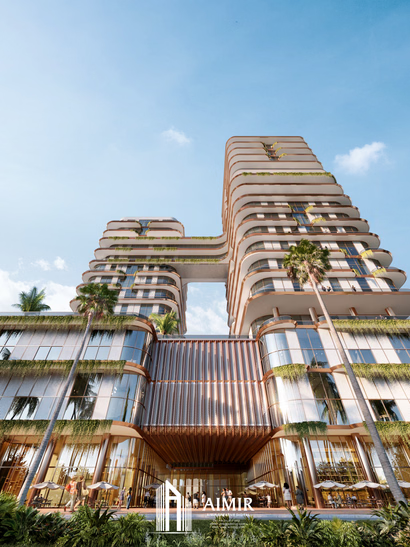
The brief is the single most important document in an exterior visualization project, and it is also the one most often rushed. When a studio receives a thin brief, it has two choices: ask a long list of questions, or make assumptions. Both cost time, and assumptions can cost a revision round. A strong brief does the opposite. It tells the artists what the image is for, what the building looks like, what surrounds it, and what mood you want. This guide explains what to send a 3D exterior rendering service, why each item matters, and how to avoid the gaps that lead to rework.
Start With the Purpose
Before listing drawings, say what the image has to do. A render for a design competition has different priorities than one for a sales brochure or a planning submission. A competition image may need a dramatic composition. A sales image may need a welcoming street scene with people and cars. A planning image may need to be sober and accurate. Telling the studio the purpose helps them choose the camera angle, the lighting, and the level of detail.
The Core Materials to Send
A useful brief usually includes:
- Drawings. Plans, elevations, sections, and any 3D model you already have, in a format the studio can open.
- Site context. Surrounding buildings, topography, roads, and landscape, or at least site plans and photos.
- Materials and finishes. Facade materials, colors, glazing, roofing, and landscaping, with product references if you have them.
- Camera views. The number of views, the preferred angles, and whether you need street-level, aerial, or both.
- Time of day and weather. Daytime, dusk, or night, and the season if it matters.
- Entourage. The kind of people, cars, and street furniture you want, and the atmosphere they suggest.
- References. Photos or sample images that show the style, mood, or composition you like.
- Deliverables and deadline. Image size, file format, and the date you need the final files.
AIMIR CG offers simplified brief templates for rendering, animation, and VR on its website, which can help if you are unsure where to start.
Common Gaps That Cause Rework
Some problems appear again and again:
- Drawings that conflict with each other, such as an elevation that does not match the plan
- No information about the surroundings, forcing the artists to invent them
- Materials described only as “modern” or “natural,” without references
- No indication of who the audience is
- Unclear numbers of views or revision rounds
Each gap is an invitation for guesswork. The clearer your brief, the fewer assumptions the studio needs to make, and the closer the first draft is to what you imagined.
How a Good Brief Affects Cost and Schedule
Studios price projects based on scope, so a clear brief produces a clearer quote. It also helps with the schedule. When materials are confirmed and context is supplied, the team can move through modeling and lighting without pausing for answers. A 3D exterior rendering service that begins with a briefing stage and a project manager can use your documents to ask targeted questions, rather than starting from scratch.
Consider a simple example. A developer sends only a floor plan and the words “luxury apartment tower.” The studio must guess at facade, landscaping, surroundings, and mood. A second developer sends elevations, a site plan, material samples, three reference images, and the intended audience. The second project will likely need fewer revisions, because many of the questions were answered before work began.
Conclusion
A good brief is not about length. It is about answering the questions the artists will otherwise have to guess. State the purpose, send consistent drawings, describe the context and materials, and set expectations for views, deliverables, and timing. When you brief a 3D exterior rendering service this way, you are more likely to receive an accurate first draft and a smoother path to the final image.