
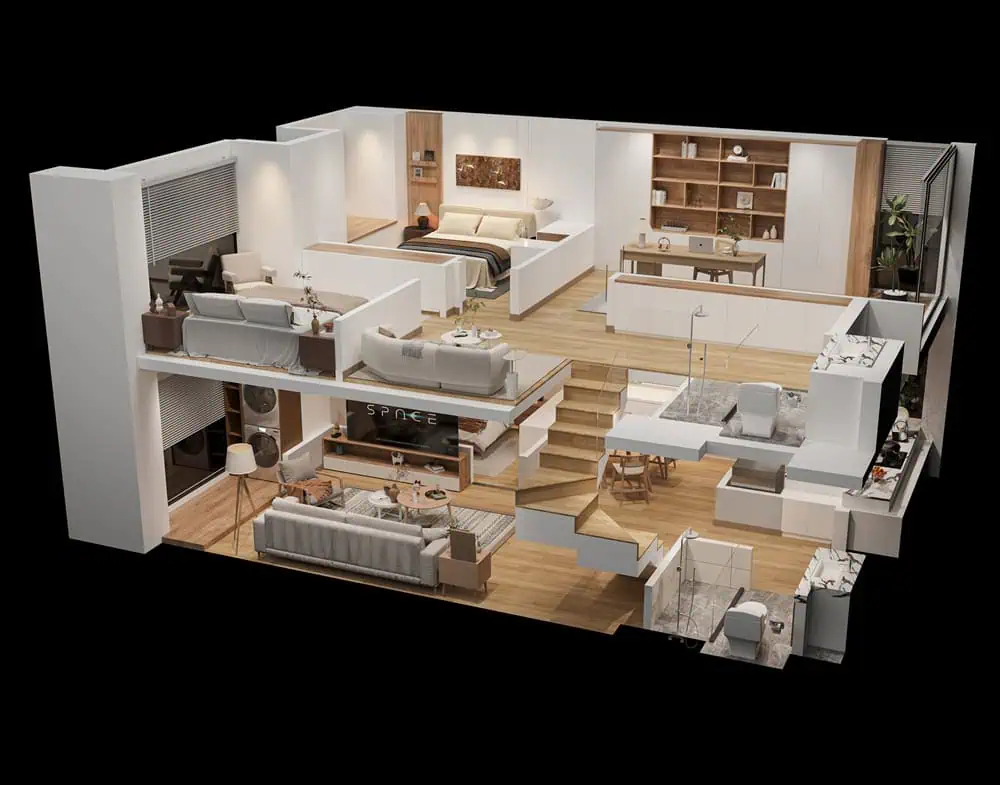
Design decisions are expensive to change once concrete is poured. That simple fact explains why so many architects and designers invest in visualization early. Seeing a project in realistic form reveals problems that plans and sections can hide, from awkward proportions to poor sightlines. It also makes presentations more persuasive. Modern 3D rendering services have become a standard part of the design toolkit, supporting everything from concept studies to final client approval. This article examines the practical benefits architects gain, how they use images at different stages, and how partnering with a specialist 3D rendering company can free design teams to focus on design. It is a practical question as much as an artistic one.
Testing Ideas Before They Are Built
Visualization lets designers explore options quickly. Different facade materials, window patterns, and colors can be compared side by side, helping teams make informed choices. Seeing how daylight enters a room or how a building appears from the street can influence decisions about orientation and openings.
Catching issues early saves time and money. A visual review may reveal that a feature looks too heavy or a space feels cramped long before construction documents are finalized.
Cost avoidance is a strong motive. Changing a design on paper is inexpensive compared with changing it on site. Visual reviews give clients a chance to approve choices with full understanding, which reduces disputes later and keeps the construction phase smoother.
Documentation of options is useful as well. Archiving earlier visual studies shows how the design evolved and why choices were made, which helps when explaining decisions to stakeholders or revisiting ideas later in the project.
Communicating Through 3D Rendering Services
Many clients are not trained to read technical drawings. Images bridge that gap, allowing them to understand and respond to a proposal with confidence. This leads to clearer feedback and fewer misunderstandings.
Planning authorities and community groups also respond to visuals. A realistic view of how a building fits its context can make public consultation more productive, provided the images are honest and accurate.
Competitions and tenders also reward strong imagery. When juries review many proposals, clear, attractive visuals help a concept stand out and be understood quickly. Even a modest project benefits from having a few polished images that tell its story.
Why Many Firms Outsource Visualization
Producing high quality renderings takes specialist skills and software, and workloads fluctuate. Outsourcing lets firms scale up when needed without hiring permanent staff. Studios such as Aimir CG, an architectural visualization company that serves clients worldwide, offer 3D rendering services intended to deliver consistent quality on schedule, which is exactly what design teams under deadline pressure look for.
When outsourcing, give clear drawings, define the style up front, and agree on review stages so the studio can work efficiently.
Coordination between design and visualization should be ongoing. Share updates when the design changes, and ask the studio to flag any inconsistencies they notice in the drawings. A second set of eyes can catch errors before they reach the client.
Visualization in the Years Ahead
Real time engines and virtual reality are letting clients walk through designs before they are built, and integration with building information modeling is improving. Even as tools evolve, the goal stays the same: communicate design intent clearly and honestly. Firms that build visualization into their process early tend to make fewer late stage changes.
For smaller practices, outsourcing also keeps overheads flexible. Instead of maintaining expensive workstations and software licenses, they pay for visualization when projects require it, which helps manage cash flow without sacrificing presentation quality.
Conclusion
Visualization helps architects think, communicate, and decide. By using professional 3D rendering services and choosing a dependable 3D rendering company, design teams can reduce risk, impress clients, and move projects forward with confidence.