
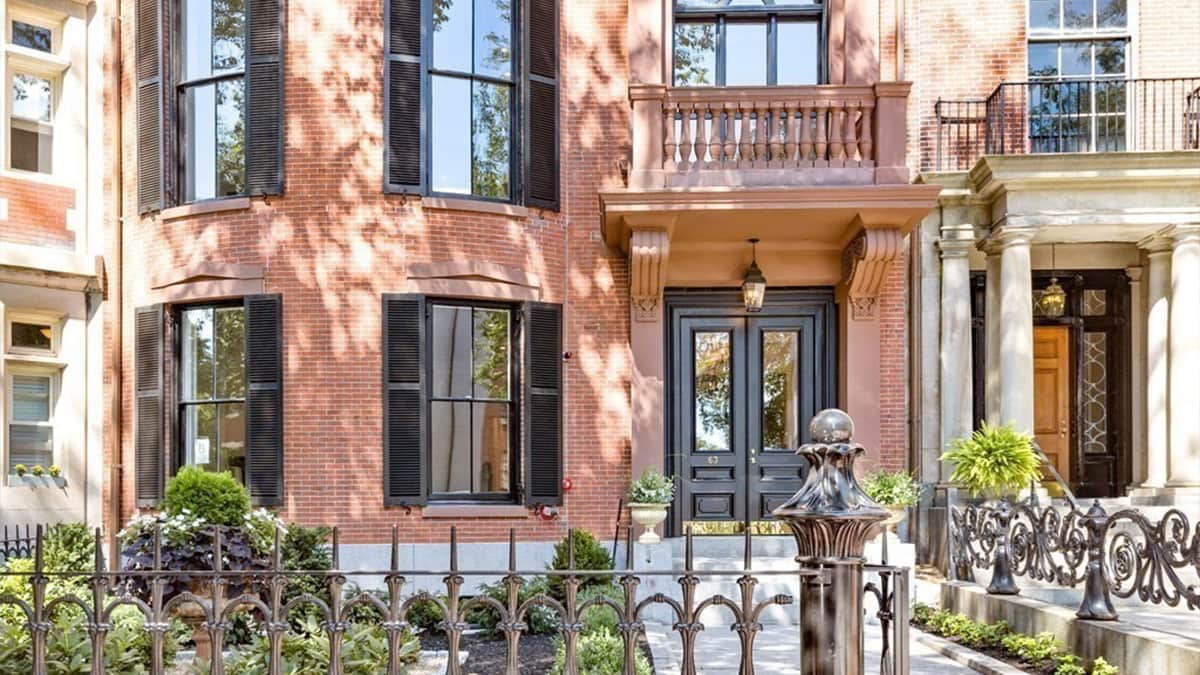
Understanding the Importance of Choosing the Right Partner
Selecting the right architectural firm for your home renovation or new construction project is one of the most critical decisions you’ll make. Boston has a rich architectural heritage, and finding professionals who understand the city’s unique character while bringing your vision to life is essential. The difference between working with an excellent firm and a mediocre one can mean tens of thousands of dollars and years of frustration.
Credentials, Experience, and Licensing
Verifying Professional Credentials
You want architects who are licensed and insured. In Massachusetts, architects must pass the Architect Registration Examination and maintain their license through continuing education. This ensures they stay current with building codes, sustainable practices, and emerging design trends.
Boston-Specific Expertise
Experience in Boston specifically matters tremendously. The city has strict design guidelines in historic neighborhoods like Beacon Hill and Back Bay. If your property is in these areas, you need architects familiar with architectural review boards and preservation requirements. They must understand Boston’s climate challenges including snowload requirements, moisture management, and winterization.
Portfolio and Project Review
Evaluating Past Projects
Ask to see completed residential projects similar in scope to yours. How did they handle site constraints? What was their approach to connecting homes with surroundings? A strong portfolio shows what the firm values and how they solve problems.
Understanding Design Philosophy
Look for consistency in quality while maintaining diversity in style. The best architects balance their design vision with genuine responsiveness to client desires.
Communication and Client Relationships
Active Listening Skills
Pay attention to how architects listen during consultations. Do they ask questions about your lifestyle and family needs? Good architects understand why you want something, not just what you want.
Clear Communication Protocols
Ask about communication methods and frequency. How often will you meet? How do they handle changes? Understanding these expectations prevents frustrations.
Budget Transparency and Financial Planning
Understanding Fee Structures
Your architects should clearly explain their fee structure, whether percentage of construction costs, hourly rates, or fixed fees. They should help you understand how design decisions affect cost.
Hidden Costs and Contingencies
Ask what’s included in fees and what costs extra. Are permit applications included? Do they charge separately for site visits during construction? Understanding the full picture prevents surprises.
Sustainability and Building Science
Energy Efficiency Focus
Notice how they discuss sustainability during consultations. Good architects explain passive solar design, insulation strategies, and ventilation requirements. They should understand Boston’s specific climate challenges.
Climate-Specific Design
Boston’s harsh winters and significant moisture require thoughtful strategies. Your architects should address freeze-thaw cycles, snow loads, and humidity management through proper detailing.
Professional Relationships and Project Management
Contractor and Specialist Coordination
Ask about relationships with contractors and consultants. Established relationships with trusted professionals ensure smoother project management and better outcomes.
Construction Administration
Ask how they handle construction administration. Will they visit the site regularly? How do they manage changes? Good architects stay engaged throughout construction, protecting your interests.
References, Insurance, and Legal Protection
Previous Client References
Call at least three homeowners from recent projects. Ask about timeline adherence, handling of challenges, and whether they’d hire again. Real feedback is invaluable.
Insurance and Bonding
Architects carry professional liability insurance protecting you if design errors occur. Ask about coverage amounts and what’s included.
Making Your Final Decision
Trust Your Instincts
Trust your gut. You’ll spend considerable time with these professionals. If something feels off, keep looking. The right partnership should feel collaborative and energizing.
Project-Specific Fit
Match the firm’s strengths to your specific needs. A firm excellent at contemporary renovations might not excel at historic preservation work.
Conclusion
Choosing the right Boston residential architects is one of the most important decisions in your home improvement journey. The right firm brings expertise in design, Boston’s regulatory environment, building science, and client management. They navigate complexity so you can focus on your vision. They coordinate with specialists, manage timelines, and protect your interests throughout the process. When you find architects who check all these boxes, you’ve found partners who will transform your vision into reality while protecting your investment and creating homes you’ll love for decades.
Frequently Asked Questions
Q: What’s the average cost of hiring a residential architecture firm in Boston?
A: Residential architecture fees typically range from five to fifteen percent of construction costs, though some charge hourly or fixed fees. For renovations, expect five thousand to fifty thousand dollars depending on scope and firm reputation.
Q: How long does the architectural design process take?
A: Most residential projects take three to six months from initial concept through final design documents. Complex projects with special approvals take longer. Your architects should provide a timeline during initial consultation.
Q: Do I need an architect for a simple renovation?
A: For major renovations involving structural changes, yes. Smaller cosmetic projects might only need a contractor. Check with your Boston building department to understand requirements.
Q: What’s the difference between an architect and a designer?
A: Architects are licensed professionals with legal responsibility for construction documents and structural safety. Interior designers focus on aesthetics and finishes. For residential work, architects provide broader expertise.
Q: How do residential architects handle building code compliance?
A: Licensed architects stay current with Massachusetts building codes and Boston requirements. They design with compliance built in, reducing chance of design changes during construction.