
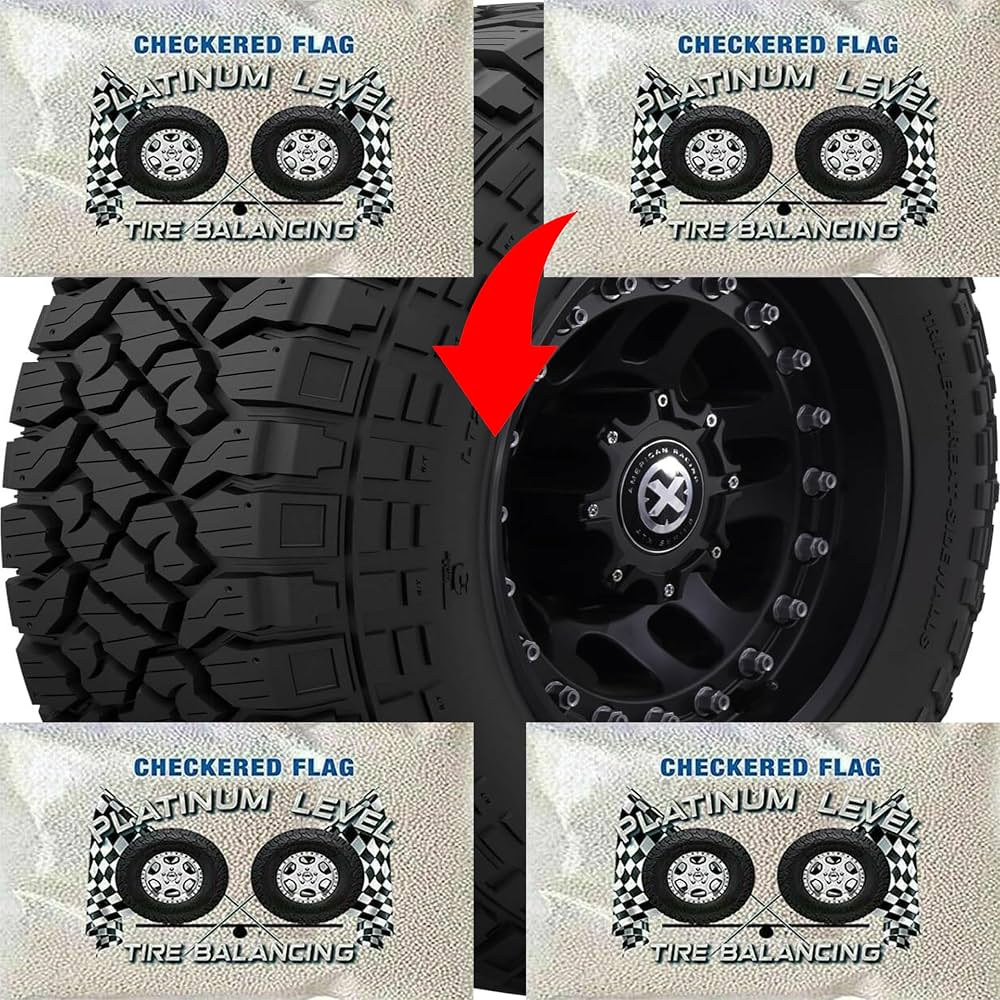
Every time you drive down the highway, your wheels are spinning thousands of times per minute. Even the slightest weight imbalance becomes noticeable at high speeds, creating vibrations that shake through your steering wheel, dashboard, and entire vehicle. Traditional wheel weights have dominated the tire balancing industry for decades, but a superior alternative has emerged: ceramic balancing beads. These tiny, precision-engineered spheres have revolutionized how vehicle owners approach tire maintenance. Wheel balancing beads offer advantages that traditional weights simply cannot match, from superior weight distribution to compatibility with different tire types. Understanding how these beads work and why professionals increasingly recommend them can help you make better decisions about your vehicle’s performance and safety.
How Wheel Balancing Beads Work Differently Than Traditional Weights
The fundamental difference between wheel balancing beads and traditional adhesive or clip-on weights comes down to physics and positioning. Traditional wheel weights sit statically at a specific point on the rim. They provide balance at that single location, but as your tire and wheel assembly rotates, imbalances can develop at different points during operation. Ceramic wheel balancing beads, by contrast, move freely inside the tire throughout the rotation.
As your tire rotates, centrifugal force continuously pushes the beads outward toward the tire wall. They naturally migrate to the heaviest point of the tire and wheel assembly, counterbalancing the weight distribution in real-time. This dynamic balancing approach means the beads constantly adjust to maintain perfect balance throughout the rotation. The result is significantly smoother operation at any speed. Professional racing teams and trucking companies discovered this advantage years ago and have trusted wheel balancing beads for premium performance vehicles and heavy-duty applications. The technology has proven so effective that major automotive manufacturers now recommend it for specific applications.
Performance Benefits You’ll Actually Notice
Installing wheel balancing beads delivers tangible improvements that most drivers notice immediately. The most obvious benefit is vibration reduction. If you’ve experienced that annoying shimmy in your steering wheel around 55 to 60 miles per hour, wheel imbalance is likely the culprit. Proper wheel balancing beads application typically eliminates this irritating vibration, making highway driving noticeably smoother and more comfortable. This smoothness isn’t just about comfort; it directly impacts safety. A vibrating steering wheel reduces driver control and increases fatigue on long drives.
Beyond smoothness, wheel balancing beads improve tire longevity significantly. Imbalanced wheels cause uneven tire wear patterns, with certain edges wearing faster than others. This premature wear can reduce tire life by thousands of miles. Proper balancing with ceramic beads promotes even wear across the entire tire surface, maximizing the value of your tire investment. Additionally, properly balanced wheels reduce stress on suspension components, bearings, and the drivetrain itself. The cumulative effect means lower maintenance costs and fewer unexpected repairs down the road.
Installation Considerations for Different Vehicle Types
Wheel balancing beads work effectively across a wide range of vehicle types, though application methods and quantities vary. For standard passenger vehicles, a simple installation through the tire valve stem works perfectly. The process takes just minutes and requires no special equipment beyond the bead applicator tube provided by the manufacturer. Many drivers choose to install beads themselves, saving on labor costs while maintaining complete control over the process.
Larger vehicles like trucks and SUVs often benefit from higher bead quantities due to their heavier tire and wheel assemblies. Fleet operators managing multiple vehicles have embraced wheel balancing beads as a cost-effective maintenance solution. Over a fleet’s lifetime, the reduced tire replacement frequency and extended drivetrain component life creates substantial savings. Some commercial operations report reducing wheel imbalance complaints by up to 90 percent after switching to ceramic bead systems. For performance vehicles and racing applications, wheel balancing beads are often the preferred choice because they provide superior balance quality compared to traditional methods.
Choosing Quality Beads and Avoiding Common Mistakes
Not all wheel balancing beads are created equal. Quality matters significantly when selecting a product. Premium ceramic beads are precision-engineered to specific gravity and size specifications. Lower-quality alternatives may have inconsistent sizing or be made from inferior materials that deteriorate over time or become sticky in humid conditions. When evaluating wheel balancing beads, look for products with clear specifications, manufacturer testing data, and positive professional endorsements.
Common mistakes often undermine bead effectiveness. Installing the wrong quantity is one of the most frequent errors. Too few beads can’t properly balance the tire assembly; too many can create their own vibration issues. Another mistake involves installing beads in damaged tires. If your tire has been previously repaired, has visible wear, or shows sidewall damage, address these issues before adding beads. Additionally, moisture contamination can be problematic. Ensure tire valve stems are clean and dry before installation. Finally, some people install beads and immediately expect perfection, but the beads need several hundred miles of driving to fully settle and distribute for optimal results.
Conclusion
Wheel balancing beads represent a modern advancement in tire maintenance that delivers real benefits in smoothness, safety, and longevity. Unlike static traditional weights, these dynamic ceramic spheres continuously adjust to maintain perfect balance throughout tire rotation. The advantages range from improved comfort and vehicle control to extended tire life and reduced maintenance costs. Whether you’re driving a daily commuter, managing a commercial fleet, or maintaining a performance vehicle, exploring ceramic wheel balancing beads makes financial and practical sense. The investment in quality beads typically pays for itself through extended tire life within the first year, making it one of the smartest tire maintenance decisions you can make.