
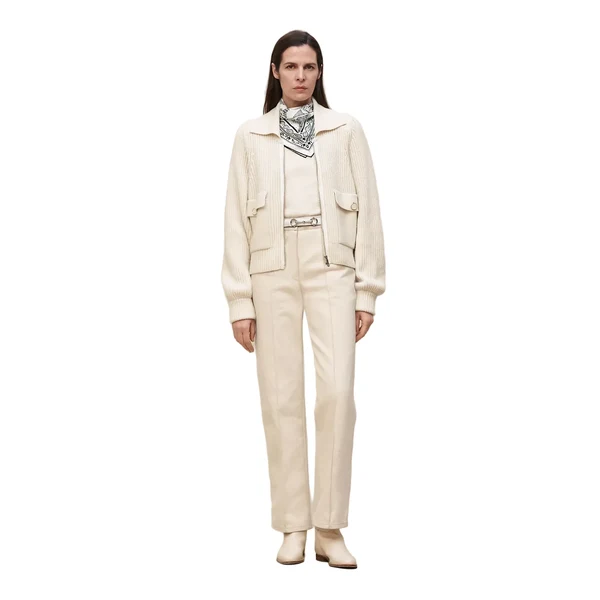
Buy outerwear first. It is the piece that is seen most, photographed most, and worn over everything else you own, which makes it the single highest return purchase in any wardrobe. Shoes come second. Tailoring third. Everything after that is detail.
That order sounds obviously written down. In practice, almost nobody follows it. People start with the accessory they saw on someone else, then spend two years assembling a collection of items that do not talk to each other. A closet full of individually beautiful things that never make an outfit is a genuinely common and expensive problem.
Here is a buying sequence that avoids it.
Why Does the Order You Buy In Matter More Than the Budget?
Because clothing works as a system, not as a list.
Every new piece has to combine with what you already own, or it sits unused. A coat that works over five existing outfits gives you five new looks on the day it arrives. A statement jacket that works over one gives you one. Same spend, very different result.
There is a practical way to test this before paying. Open your camera roll and scroll back through the last three months. Look at what you were actually wearing, not what you imagine you wear. Most people find the same four or five combinations repeating. Build outward from those, and every purchase multiplies. Build away from them, and you are shopping for a version of yourself that does not exist yet.
Which Pieces Belong in a Luxury Capsule Wardrobe?
Five, in this order: one excellent coat, one pair of leather shoes, one piece of tailoring, one knit in a natural fibre, and one bag that carries what you actually carry.
That is the spine. Everything else hangs off it.
What Should Your First Outerwear Piece Be?
Something neutral, mid length, and in a heavy natural cloth. Camel, navy, charcoal or black, depending on what dominates your existing clothes. Wool or a wool and cashmere blend of around 400 to 600 grams. Avoid anything with a strong seasonal cut, oversized branding or a colour you would hesitate to wear twice in one week.
Check three things before you commit. Does it close comfortably over a jacket or thick knit? Do the sleeves finish at your wrist bone rather than your knuckles? Does it still look right when you sit down? That last one catches more bad purchases than any other test.
Do You Need More Than One Pair of Designer Shoes?
Eventually, yes, but not immediately. Shoes need rest days. Leather absorbs moisture during wear and needs at least 24 hours with cedar shoe trees to dry out properly, so wearing one good pair every day will wreck it inside a year.
Two pairs is the real minimum. Start with a versatile leather shoe in a dark neutral, then add a second pair in a different register, either a loafer for warmer months or a boot for winter.
How Do You Make New Luxury Pieces Work With Clothes You Already Own?
Match the formality level, then the colour temperature.
Formality mismatch is the reason a beautiful silk blouse sits in the wardrobe untouched next to your everyday denim. The two pieces belong to different worlds. When you introduce something formal, you need at least one relaxed element to bridge it, such as a soft knit, a clean sneaker, or an unstructured jacket.
Colour temperature is subtler but just as important. Warm neutrals like camel, cream and tan sit together easily. Cool neutrals like charcoal, navy and pure white do the same. Mixing across the two is possible, though it requires more effort, so your first luxury purchases should stay inside whichever family already dominates your closet.
One more habit worth building. When something new arrives, photograph three complete outfits with it in the first week. If you cannot find three, the piece was probably a mistake, and it is far easier to arrange a return in week one than in month three.
Are Seasonal Drops or Archive Pieces the Smarter Buy?
Archive, most of the time.
Seasonal collections are designed to feel urgent. That urgency is the product. A piece from a current runway drop carries a premium for newness, and newness is the one quality guaranteed to expire on schedule. Archive and vintage pieces have already survived that cycle. They have proven their design, their construction is known, and their price has usually settled to something rational.
Archive buying also solves a supply problem. Anyone who has tried to buy a specific reference in a specific size knows that boutiques allocate stock by region and sell through fast. The piece you want frequently exists, just not where you live. Sourcing specialists with relationships across Paris, Milan, New York and Dubai spend their days closing exactly that gap, which is why serious collectors of luxury brand clothing tend to work with a sourcing partner rather than refreshing a website.
The exception is a genuine grail. If a piece is limited, already climbing in value, and you have wanted it for years, buy it at release and stop overthinking it.
How Do You Avoid Overpaying on the Resale Market?
Know the retail price before you open a single listing, and treat that number as your anchor.
A few practical checks:
- Compare at least five completed sales of the same reference, not five asking prices. Asking prices are fiction until someone pays them.
- Factor in condition honestly. A piece described as excellent with soft corners or a stretched collar is a good piece, not a new one, and the price should reflect that.
- Watch for seasonal timing. Winter coats are cheapest in April. Sandals are cheapest in October.
- Confirm what paperwork comes with it. Original receipt, dust bag, tags and authentication cards all affect both value and resale.
- Be sceptical of urgency. A seller pushing you to decide in an hour is managing your judgement, not your interests.
Resale rewards patience more than any other part of this market. The listing you missed almost always reappears.
What Does a Luxury Sourcing Service Actually Do for You?
Three things, mainly: access, verification and time.
Access means finding the reference that sold out, including sizes and colourways that never reached your market. Verification means confirming the piece is exactly what it claims to be before money moves. Time means someone else handles the chasing, the shipping paperwork and the logistics while you get on with your life.
Coco Et Loco operates as an independent sourcing atelier along these lines, covering menswear, womenswear, shoes, watches, travel pieces and rare collectible handbags, alongside personal shopping and styling. Worth noting that independent ateliers are not authorised boutiques for the brands they carry, which is normal in this part of the market and something any reputable partner will state openly.
Conclusion: What Is the Real Goal of a Luxury Wardrobe?
Fewer decisions, better outcomes.
A well built wardrobe is not about owning expensive things. It is about reaching into a closet on a rushed Tuesday morning and finding that everything in there works with everything else. That takes sequence, patience and a willingness to leave good pieces on the shelf when they do not fit the system you are building.
Start with the coat. Get the shoes right. Add slowly. In three years you will have something that looks considered rather than collected, and you will have spent less doing it than the person who bought twice as much.
Frequently Asked Questions
How many pieces should a luxury capsule wardrobe have? Around 25 to 35 items across all categories, including outerwear, shoes and bags. The exact number matters far less than how many complete outfits those pieces produce.
Should I buy luxury clothing online or in person? In person is ideal for first purchases from an unfamiliar brand, since sizing varies so much. Once you know your measurements in that house, online and sourced purchases become far safer.
Is it better to buy one expensive coat or three mid range ones? One good coat, almost always. It will outlast all three, look better in every photograph, and cost less per wear across five years.
Do luxury clothes need special insurance? Individual garments usually fall under standard home contents cover, though high value watches and collectible handbags often need to be listed separately. Check the single item limit in your policy.
How do I verify a sourcing partner is legitimate? Ask how they authenticate, request proof of provenance, confirm the return policy in writing, and look for a clear statement about their relationship with the brands they carry.